For most bridal retailers, there is an obvious challenge built into the business model: if everything goes according to plan, a bride may only need to buy a wedding gown once.
Ava Laurènne Bride is taking a different approach to what happens after that sale—while also finding creative ways to introduce the brand to women who haven’t become customers yet.
When a woman becomes an Ava Laurènne Bride, the company doesn’t view the relationship as ending when she picks up her gown—or even when the wedding is over. The goal is to make her part of a community that continues long after she says “I do.”
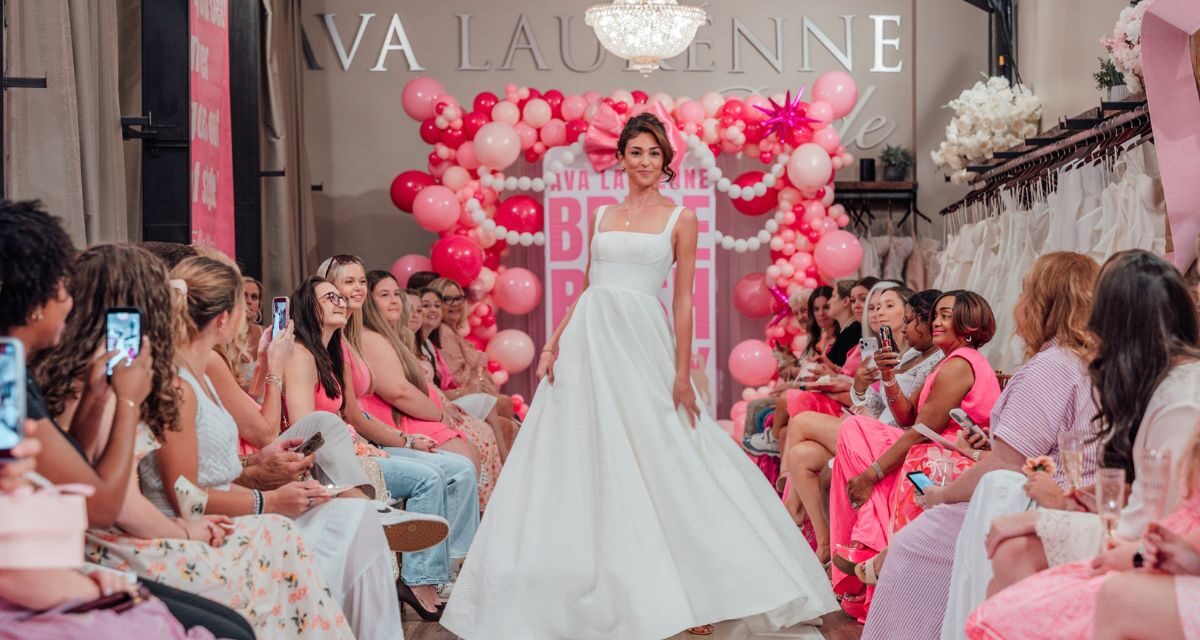
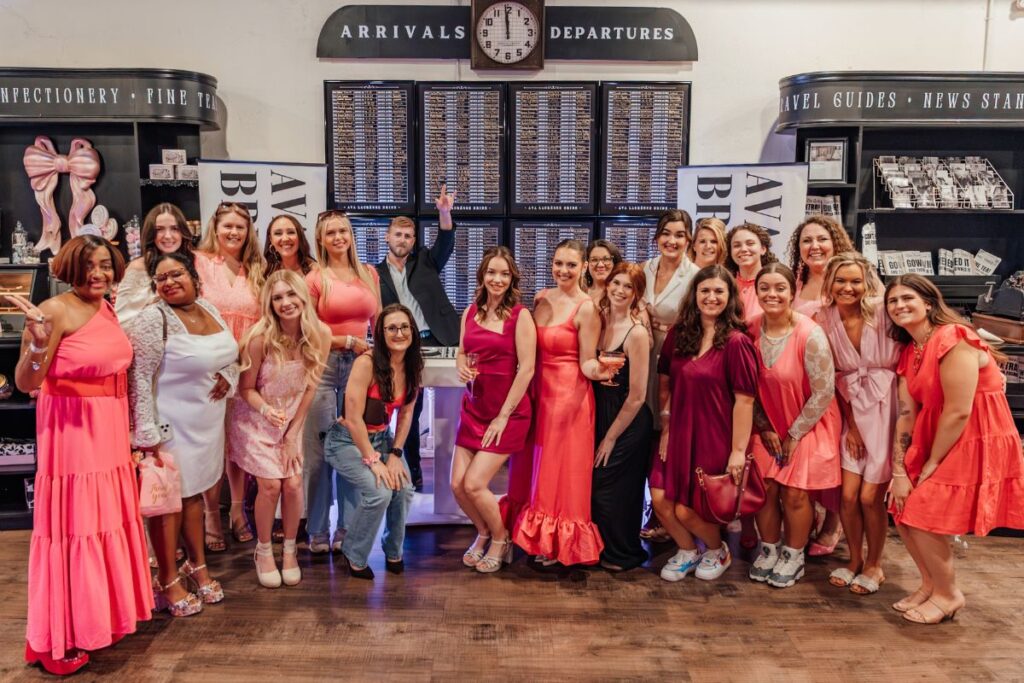
That philosophy was on full display September 10 at Ava Laurènne Bride’s third annual Welcome to the Sisterhood Rush Party, an event combining bridal fashion and a very pink nod to Legally Blonde.
But behind the theme was a bigger business idea: How do you create relationships with future customers while continuing to build relationships with the brides you’ve already served?
Welcome to the Sisterhood
Ava Laurènne Bride considers its brides part of the family for life, continuing those relationships through experiences that include parties, balls, galas and fashion shows.
But the annual Rush Party wasn’t limited to women who were already Ava Laurènne customers.
For this year’s event, Ava Laurènne reached out to college sorority women and invited them to participate as models—including women who had never been Ava Laurènne customers.
That makes the strategy particularly interesting.
Rather than hiring professional models and simply giving the fashion show a sorority theme, Ava Laurènne brought actual sorority women into the experience. They weren’t just watching an advertisement for a bridal store. They were putting on the gowns, walking the runway and becoming part of the brand experience themselves.
It allowed the event to accomplish two things at once: strengthen the sense of community surrounding Ava Laurènne while introducing a new group of potential future brides to the brand.
This year’s Rush Party drew inspiration from Legally Blonde and its famously pink world of Elle Woods. The movie’s themes of confidence, friendship, empowerment and sisterhood provided a natural backdrop.
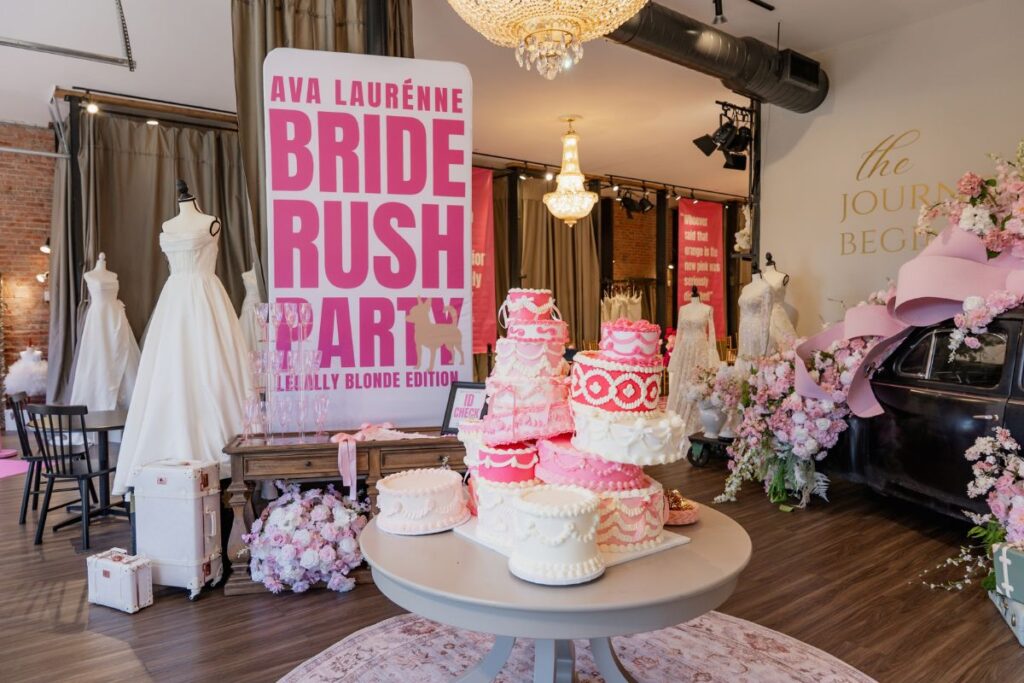
Pink banners, Elle Woods-inspired sayings and other details transformed the space, while approximately 30 couture gowns took center stage during the fashion presentation.
Designers represented included Jovita, Malanova and England-based designer Frida Bennett.
Not Just a Fashion Show
The fashion show itself became a production.
DJ Russell Rosé incorporated recognizable lines from Legally Blonde into the music during the runway presentation, connecting the entertainment directly to the theme rather than simply playing music in the background.
Even Elle Woods’ four-legged sidekick made an appearance.
Alley Cat, a champion Chihuahua, stepped into the role of Bruiser Woods, bringing another memorable piece of the movie-inspired experience to life.
After the runway, the event transitioned into a dance party.
But the fashion show was only one part of the evening.
Throughout the event, guests encountered interactive experiences created by wedding and event professionals who took the theme and interpreted it through their own businesses.
Wedding Pros Were Given Permission to Be Creative
One of the most interesting elements of Rush wasn’t simply the number of participating businesses. It was what happened when those businesses were given a theme and the freedom to experiment.
Scents of Anomaly created a fragrance experience, allowing perfume to become part of the evening.
Legendary Glow added a beauty activation featuring spray tanning along with playful heart and kiss tattoos.
Guests enjoyed lime mocktails finished with pink sparkle dust, while body sparkle added another layer to the unapologetically glamorous atmosphere.
Savory Sisters approached the food experience with charcuterie cones and a charcuterie display rather than traditional event catering.
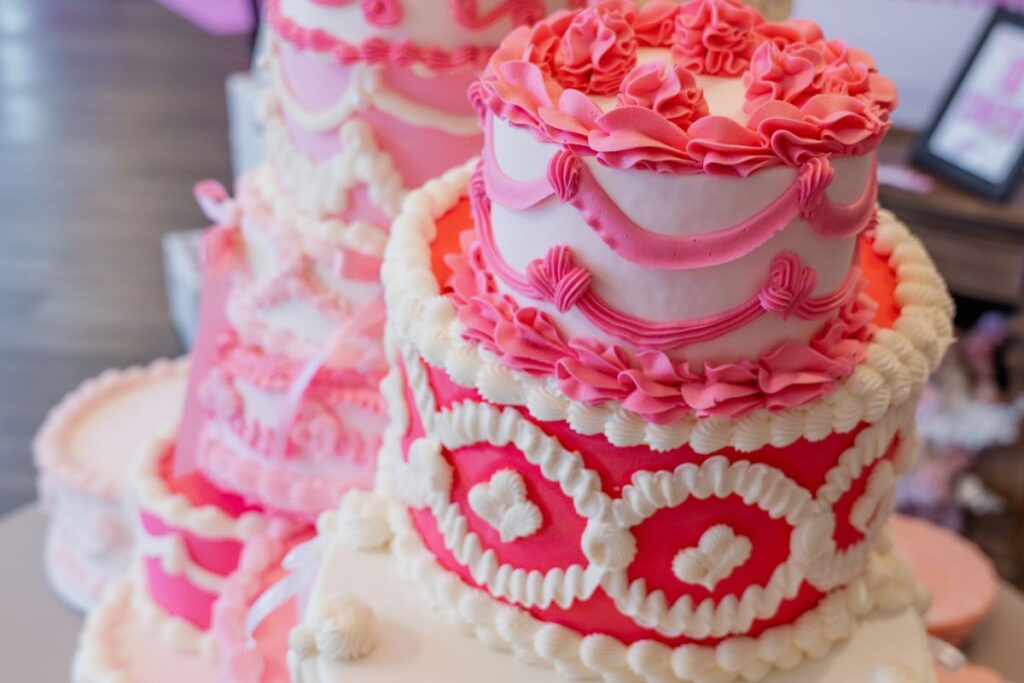
Couture Cakes of Greenville created a stacked cake presentation in shades of pink, ivory and cream, with flavors that included champagne-strawberry and raspberry.
Guests could also have miniature hand-painted fashion portraits created by Caitlin, giving them something personalized to take home from the evening.
Mini pink purses filled with items such as eye patches, popcorn, rock candy and themed tags added another take-home experience.
Champagne, pink lighting and layers of small details carried the theme throughout the event.
The result is worth paying attention to from an industry perspective.
Instead of asking wedding professionals to simply reproduce what they normally provide at weddings, Rush gave them an opportunity to show what they could create when given a concept and room to play with it.
A cake becomes content.
A mocktail becomes content.
A perfume bar becomes an experience guests talk about.
A DJ becomes part of the storytelling.
And a bridal fashion show becomes something people want to photograph, film, share and remember.
Putting Potential Customers Inside the Brand
Perhaps one of the smartest parts of the Rush concept is what Ava Laurènne did with its sorority models.
Wedding businesses traditionally market to potential customers from the outside. They run advertisements, post photographs, create videos, attend bridal shows and hope future brides notice them.
Ava Laurènne took some of those potential future customers and put them inside the brand experience.
For a college woman who isn’t currently planning a wedding, trying on and modeling a couture bridal gown creates a very different interaction with a bridal retailer than scrolling past one of its advertisements.
She now has a personal connection to the store.
She has photographs and memories from the event.
She may share those photographs with friends and followers.
Her sorority sisters may see them.
And when the time eventually comes to shop for a wedding gown, Ava Laurènne is no longer an unfamiliar bridal store.
What Happens After the Wedding?
The other side of Ava Laurènne’s strategy addresses a completely different marketing challenge.
Wedding professionals spend enormous amounts of time and money trying to find the next bride.
But what happens to the relationship with the bride they already have?
For many businesses, communication stops shortly after the wedding.
Ava Laurènne is demonstrating another possibility.
A bride can become more than a transaction. She can become part of the brand’s community—and potentially one of its strongest ambassadors.
A woman who loved her bridal experience may have friends, sisters and coworkers who get married. She may continue following the company, attending events and sharing its content long after her own wedding.
The value of that relationship can’t always be measured by whether she personally buys another wedding gown.
It can also be measured by whether she continues to care about, participate in and recommend the brand.
That’s a significant distinction.
Experiential Marketing in the Wedding Industry
Rush also illustrates something the wedding industry may be uniquely positioned to capitalize on: experiential marketing.
Wedding professionals already know how to create experiences.
Florists transform rooms. Caterers create menus. DJs control energy. Cake designers create edible art. Bridal stores create emotional moments around finding a gown.
Those same skills can be used outside an actual wedding.
An event such as Rush gives businesses an opportunity to demonstrate their creativity in an environment where guests aren’t simply evaluating a product—they’re experiencing it.
And because the event was built around a recognizable concept, each participating company could interpret that concept through its own specialty.
That’s far more memorable than placing a business card on a vendor table.
From Future Bride to Ava Laurènne Bride—and Beyond
The Legally Blonde theme certainly made Ava Laurènne’s Rush Party fun, visual and social-media friendly.
But there was considerably more happening beneath all that pink.
By inviting actual college sorority women to model—even women who weren’t customers—Ava Laurènne created an opportunity to begin relationships with potential future brides.
At the same time, its larger “Ava Laurènne Bride for life” philosophy gives existing brides a reason to remain connected after their weddings.
One strategy looks forward.
The other keeps the relationship going.
Together, they offer an interesting lesson for wedding professionals in an industry where businesses can become so focused on finding the next couple that they overlook the community they could build around their brand.
The question may not simply be, “How do we get the next bride?”
It may also be:
“How early can we begin that relationship—and how long can we keep it?”
The transaction may be finished.
The relationship doesn’t have to be.